

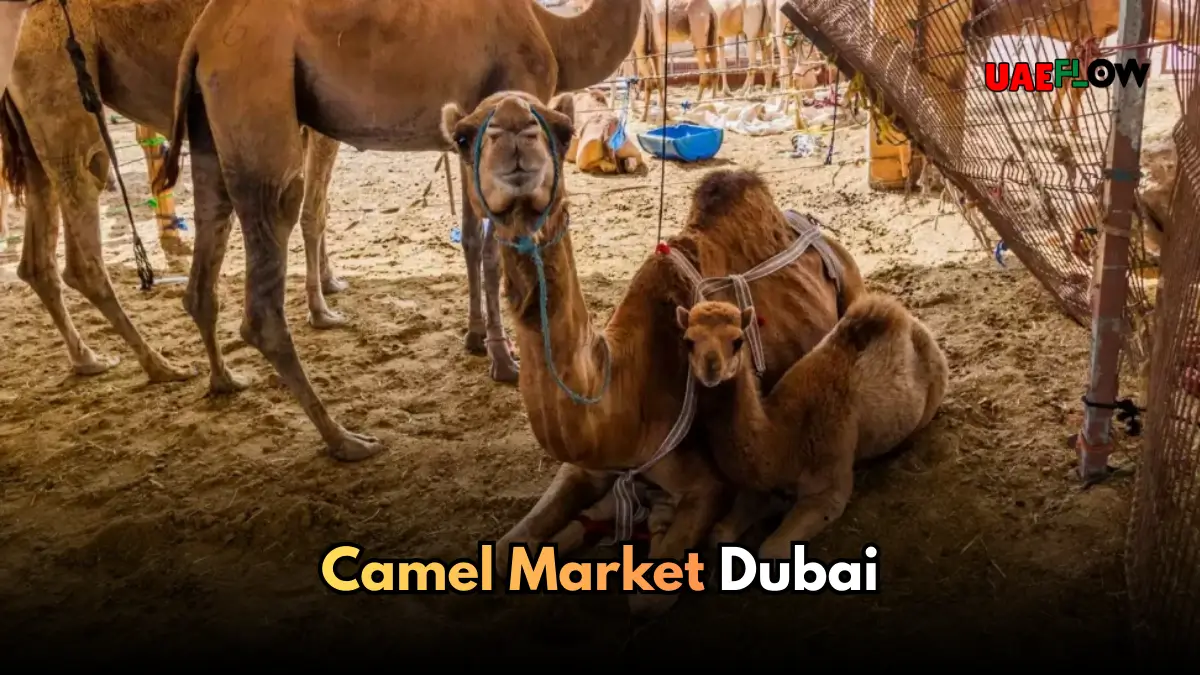
Dubai with its glamorous skyscrapers, posh shopping malls, and active tourism life also provides an insight into the prosperous cultural background of the city through its more traditional places. The Camel Market is one of those intriguing places where a person can experience the culture and have a glimpse of the history of the area. It is a market that is an ideal combination of the old and new of Dubai where the modernity intermingles with the tradition. When you are visiting Dubai, you cannot leave out the Camel Market as it is something really genuine.
Location
History and Meaning of Camels in Dubai
The Camel in the Cultural Heritage of the UAE
Camels have been integral to life in the UAE for centuries. Traditionally, they were the primary means of transport for the Bedouins to cross the harsh desert terrain. Besides transportation, camels also provided milk, meat, and leather, all essential resources for survival in the desert.
Camel as a Traditional Emirati Sign
In Emirati culture, camels symbolize toughness, fighting power, and desert spirit. They are not only practical but also a source of beauty and status. The strongest camels are highly prized, and owning a camel is considered a symbol of success and prosperity. Camels are featured extensively in local literature, poetry, and the arts.
Camels and the UAE Economy
Camels continue to play a significant role in the UAE economy, particularly in camel racing, camel milk production, and tourism. The Camel Market is central to sustaining this industry, where breeders and traders gather to buy and sell these majestic animals. The camel industry supports local businesses and contributes to tourism.
Camel Market: Introduction
Location and Accessibility
The Camel Market is located in the Al Shindagha area, a historical district of Dubai, and is easily accessible by car or bus. Tourists can reach it with a short taxi ride from major Dubai attractions such as the Burj Khalifa or Dubai Mall. Despite being in the heart of Dubai, the Camel Market offers a unique contrast to the city’s modern skyline, taking visitors back in time.
What Makes the Market Unique?
The Camel Market is known for its authenticity and historical value. It offers a stark contrast to the high-end shopping malls of Dubai, providing a glimpse into traditional camel trading. It’s an excellent opportunity for tourists to explore a side of Dubai that is not often seen among the more famous tourist spots.
What to Discover in the Camel Market?
The Market’s Atmosphere
The Camel Market is lively and full of energy, with the sounds of bargaining traders, camels grunting, and the scent of desert air mixed with the smell of freshly cooked food from nearby stalls. The market is divided into sections for selling camels and selling products made from camels, including camel milk and leather goods.
Types of Camels Sold
The Camel Market is best known for selling racing camels, which are prized for their speed and agility. These camels are often bought by wealthy individuals involved in camel racing, a major sport in the UAE. There are also working camels, which are used for transport and labor, typically sold to farmers or those needing camels for logistical work. Tourists can also purchase camel milk products and plush camel toys.
Camels for Sale
Prices of camels vary depending on their breed, age, and intended use. Racing camels can cost tens of thousands of dollars, while working camels are more affordable. The price also depends on the camel’s health, pedigree, and appearance. Buyers often inspect the camels thoroughly before purchasing, and sellers provide detailed information about the camels’ history and heritage.
Camel Trading Process
The trading process at the Camel Market is manual, with sellers and buyers negotiating prices. Once an agreement is reached, the transaction is completed, and the camel is handed over to the new owner. Camel breeders also use the market to discuss camel care, breeding methods, and camel racing.

The Culture and Traditions of the Camel Market
Role of Bedouin Traditions
The Bedouins, the traditional nomads of the UAE, have been breeding and training camels for centuries. Their experience has been passed down through generations, and visitors to the Camel Market can observe traditional camel care practices such as feeding, training, and grooming.
Camel Beauty Contests and Competitions
Camel beauty contests are one of the most exciting events at the Camel Market. Camels are judged on their physical appearance, including body structure, hump size, ear size, and symmetry. Winning camels can fetch the highest prices. These contests celebrate the camel’s beauty and cultural significance.
Camel Racing in Dubai
Camel racing is a long-standing tradition in the UAE and one of the most prestigious events in the region. Dubai hosts some of the world’s most renowned camel racing events. The Camel Market plays an essential role in this culture by providing top-quality camels, which are trained and raced in sports events. Camel racing has evolved into a popular form of entertainment, drawing large crowds.
The Economic Effect of the Camel Market
Giving Back to the Local Economy
The Camel Market has a significant economic impact on Dubai and the UAE. It supports local farmers, breeders, and traders by providing a marketplace for camels and camel-related products. The market also sustains the camel racing industry, contributing to tourism and local industries.
Tourism and the Camel Market
The Camel Market is a popular tourist attraction, offering visitors a chance to experience authentic Emirati culture. As part of cultural tours, the market provides a glimpse into the old town of Dubai and its traditional markets. Tourists can purchase camel-related souvenirs like camel milk soap and camel leather goods, adding a unique shopping experience.
Current Events and The Camel Trade
In recent years, the camel trade has expanded to include luxurious items like camel milk chocolates and high-end camel leather accessories. This shift has allowed the Camel Market to stay relevant, attracting both locals and tourists. The camel industry continues to thrive through innovations in breeding, racing, and merchandise.
Related: Naif Market Dubai Guide
Visiting the Camel Market
Tips for First-Time Visitors
When visiting the Camel Market, it’s best to arrive early in the morning for a quieter experience. The market tends to be busier in the late afternoon. Visitors should dress modestly to respect the local culture and bring cash for transactions, as most vendors prefer cash payments.
What You Can Do and Buy
The Camel Market offers a range of camel-related products and traditional Emirati goods. Camel milk, which is considered to have numerous health benefits, is popular among visitors. Camel leather goods like bags, shoes, and belts are also available. Tourists can enjoy camel rides or take photos with the camels. Local food stalls offering dishes like shawarma and Emirati sweets are also present.
Attractions and Things to Do Nearby
After visiting the Camel Market, tourists can explore nearby cultural attractions such as the Dubai Museum and Dubai Heritage Village, which provide more insight into Dubai’s history and traditions. The Al Bastakiya district, known for its old buildings and winding streets, is also worth a visit.
Conclusion
The Camel Market in Dubai offers a unique cultural experience, providing a glimpse into the historical and cultural importance of camels in the UAE. Whether you’re interested in purchasing a camel, watching camel racing, or simply enjoying the vibrant atmosphere, the Camel Market is a must-visit for those looking to explore Dubai’s traditional side.

FAQs
What is the location of the Camel Market in Dubai?
The Camel Market is located in the Al Shindagha district of Dubai, near Dubai Creek.
What kinds of camels are sold in the market?
The market sells racing camels, working camels, and breeding camels.
What are the prices of camels in the Camel Market?
Camel prices vary based on breed, age, and purpose. Racing camels can cost tens of thousands of dollars, while working camels are more affordable.
Can tourists purchase camels at the market?
Yes, tourists can buy camels, but they need to be familiar with the process and requirements for purchasing.
What is a camel beauty contest?
A camel beauty contest is an event where camels are judged on their physical appearance, including body structure, hump size, ear size, and symmetry.
What is camel racing?
Camel racing is a traditional sport in the UAE, where camels race on tracks. It is one of the most popular activities in the region.
What can tourists buy at the Camel Market?
Tourists can buy camel milk, camel leather products, souvenirs, and traditional Emirati goods.
Does the Camel Market have food stalls?
Yes, the market has food stalls offering local Emirati dishes like shawarma and traditional sweets.
What is the best time to visit the Camel Market?
The best time to visit is early in the morning, as it tends to be busier in the afternoon.
Does the Camel Market operate on Sundays and Tuesdays?
Yes, the Camel Market is open every day, though it is more active on weekends and national holidays.