









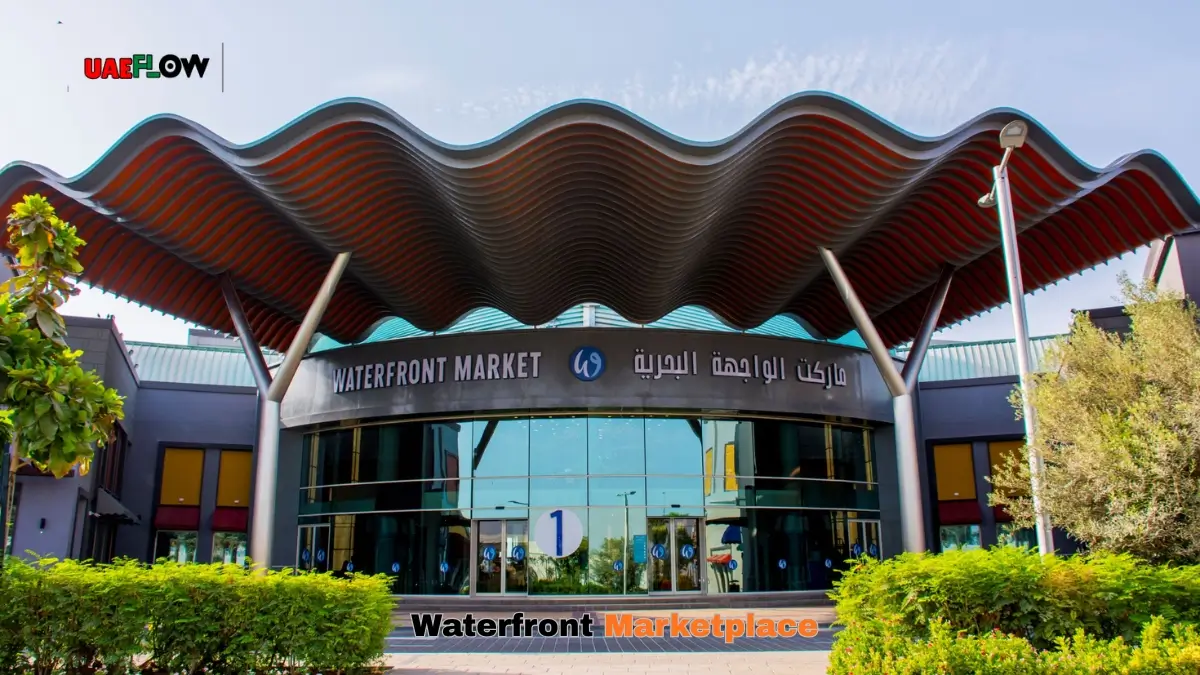
Waterfront Marketplace is an organized public shopping and trading area that brings together retail stalls and services for everyday life in one place. The Waterfront Marketplace attracts many visitors including families, regular shoppers, buyers for food businesses, and those looking to buy fresh produce in an organized environment. This market is different from traditional open markets because it follows a modern design that emphasizes hygiene, accessibility and easy movement for its visitors.
Table Of Content
- Waterfront Marketplace – Layout and Market Structure
- Fresh Seafood Section
- Meat and Poultry area
- Fruits, vegetables, and dry goods
- Food Courts and Dining Options
- Standards for cleanliness and hygiene
- Visitor Facilities and Amenities
- Parking and accessibility
- The best time to visit and when to go
- Everyday Shopping Needs
- Comparing the Open Markets of Traditional Open Markets
- Long-term Value for the Community
- Overall Visitor Experience
- conclusion
- FAQ
These places are often visited by people to buy fresh meat, seafood, fruits, vegetables and other daily necessities. They also enjoy the supporting facilities such as seating areas and food counters. This content describes how the market operates, what visitors should expect, and how sections are organized. Focus is on factual, clear information to help visitors plan their trip efficiently and comfortably.
Waterfront Marketplace – Layout and Market Structure
The waterfront marketplace has been designed with different product categories divided into clearly defined sections. It is easier for visitors to move from one section to another, without being confused or crowded. The market is more controlled with wide walkways, organized stalls and clear signage compared to the traditional markets.
The sections are designed to accommodate both bulk and retail buyers. The vendors operate from fixed stalls which enhances cleanliness and consistency. This structure allows staff to monitor the daily operation and maintain hygiene standards more efficiently. This layout improves shopping for visitors by reducing the time they spend searching for products.
Fresh Seafood Section
The seafood section is one of the most popular attractions in the market. This section is dedicated to daily sourced fresh seafood, including fish, shellfish and other products. Vendors place their products on counters that are clean and have proper cooling and drainage systems.
Visitor Benefits:
- Stalls clearly marked
- Visible quality checks
- Cleaning and cutting service
- Organized pricing displays
Both restaurant buyers and household buyers who demand consistency and variety will find this section appealing.
Meat and Poultry area
To maintain safety and hygiene, the meat and poultry section has been separated from other areas. This space is temperature-controlled and managed under strict cleanliness guidelines. Vendors use proper equipment to handle the products and provide fresh cuts.
The following are the key features:
- Different meats are available on separate counters
- Cutting services on-site
- Storage and display systems that are clean
This separation is a way to ensure food safety, and build trust with regular customers.
Fruits, vegetables, and dry goods
Fresh produce is a daily shopping activity. Fruits and vegetables at the Waterfront Marketplace are displayed in a well-organized manner. Dry goods like grains, spices and packaged food are often available nearby.
The following arrangement is beneficial to shoppers:
- Compare the quality of products easily
- Buy items in one trip
- Avoid crowded traditional markets
Even during busy times, the open design allows for easy movement.
Food Courts and Dining Options
Visitors can take a rest in the dedicated food court while shopping. The food counters provide prepared meals, snacks and refreshments. The seating areas can accommodate both individuals and families.
The following is a list of the support for the food court experience:
- Clean dining spaces
- Multi-cuisine options
- Organised seating
The marketplace is designed for extended shopping rather than just quick purchases.
Standards for cleanliness and hygiene
The marketplace places a high priority on cleanliness. To maintain hygiene in all areas, daily cleaning schedules are implemented and waste management systems. To prevent contamination or odor, floors are cleaned regularly and waste is removed quickly.
Hygiene measures can include:
- Regular cleaning
- Waste segregation
- Food handling controlled
These practices enhance visitor comfort and safety.
Visitor Facilities and Amenities
Besides shopping, visitors are supported by various facilities that improve comfort and accessibility.
Some of the most common amenities include:
- Restrooms and seating areas
- Directional signage that is clear
- Counters for assistance
The features make it easy for visitors of any age to navigate the area.
Parking and accessibility
The parking facilities will be able to accommodate the high volume of visitors. Parking areas designated for easy access to the entrance of the marketplace. Clear entry and exit routes reduce congestion at peak times.
Considerations for accessibility include:
- Wide entrances
- Smooth Walkways
- Support for the elderly and their families
The location is ideal for frequent visits.
The best time to visit and when to go
The market is structured to accommodate both early morning buyers and daytime shoppers. Fresh sections are busiest in the early morning hours, when new stock is displayed.
General timing benefits:
- Visit early to get a wider selection
- Visits during the midday are usually less crowded
- Evening visits suit casual shoppers
Plan your shopping trips around these patterns to improve the experience.
Everyday Shopping Needs
These markets play a vital role in our daily lives by providing fresh food in an environment that is controlled. These markets support small businesses and individual households.
The role of the Deputy Minister includes:
- Fresh products are available at all times
- Price transparency
- Consistent quality
The reliability of the service encourages return visits.
Comparing the Open Markets of Traditional Open Markets
Modern marketplaces are more organized and hygienic than traditional open markets. While traditional markets are informal, organized marketplaces offer regulated areas.
The following are some of the key differences:
- Improved cleanliness control
- Better stall organization
- Visitor comfort enhanced
This comparison shows why shoppers prefer organised markets.
Long-term Value for the Community
Long-term value is found in the ability of waterfront markets to provide a structured, hygienic and organized environment for daily shopping. It remains relevant by focusing on a consistent level of quality and a well-organized operation. These markets provide a stable environment for both vendors and customers. They reduce the pressure on informal trading zones.
As consumer habits change, organized markets continue to meet the expectations of cleanliness, convenience and accessibility. They are therefore suitable for repeat use and long-term usage.
Overall Visitor Experience
The visitor experience has been designed to be seamless and manageable from entry to exit. Visitors can shop without stress with clear zoning and supportive facilities. The environment is conducive to making informed decisions, whether you are shopping for groceries on a daily basis or in bulk.
conclusion
The content of this article explains the waterfront market in detail, including its structure, sections for shopping, food, standards of cleanliness, amenities, and the overall experience. Focus is on practical information to help visitors plan their trip confidently. It is a public market that supports the needs of everyday shoppers through hygiene, reliability and thoughtful design.
FAQ
What can you buy on the market?
Fresh meat, fruit, vegetables, dried goods, and ready-made food.
Can I find a food court?
There are dining areas and seating options available.
Do you maintain cleanliness standards?
Yes, cleaning and hygiene procedures are adhered to.
Parking is available on site?
Parking spaces are available.
Does it suit families?
The layout and facilities are suitable for family visits.







No Comment! Be the first one.