








The Palace of his Highness Sheikh Ahmed the Emir of Qatar is not just any house; it is the central point. The Emir has great power within the country and internationally, and his palace is a demonstration of that fact. Other than serving a political purpose, the palace narrates about the Qatari efforts of keeping the history and at the same time adopting modernity. In brief, it is a representative of the ancient traditions, culture of the country, and the world aspiration.
Table Of Content
- The Leadership of Sheikh Ahmed and its Contributions to Qatar
- Who is Sheikh Ahmed?
- Qatar’s Political Structure
- Design of the Palace and Beauty of architecture
- The Excellence of Its Architecture
- Architectural Influences
- Construction Timeline
- Symbolic and Cultural Value of the Palace
- The Palace as a National Icon
- Maintenance of Qatari Traditions
- Palace as a Diplomatic Location
- The Palace of the Modern World
- The Modern Use of the Palace
- Hosting Global Leaders
- The Palace Security and Privacy
- Security Measures
- Maintaining Privacy
- The Future of the Palace and Its Legacy
- The Palace as a Heritage to Future Generations
- The Superleader in Future Leadership
- Conclusion
- FAQ’s
The Leadership of Sheikh Ahmed and its Contributions to Qatar
Who is Sheikh Ahmed?
Sheikh Ahmed is an influential leader in Qatari history. His rule has modeled the current state combining development with traditions. With the help of his reign, Qatar has been successful economically, politically, and socially, gaining publicity in the Gulf and further. The stability and strength of His Highness can be seen in the palace.
Qatar’s Political Structure
The political system of Qatar is that of monarchy. The Emir is the executive and he leads the direction of the country. The palace does not only serve as his home but also as one of the most important places where the state conducts its activities. It also holds meetings with foreign ambassadors and national holidays. Its area of centrality accentuates its importance in ruling and diplomacy.
Design of the Palace and Beauty of architecture
The Excellence of Its Architecture
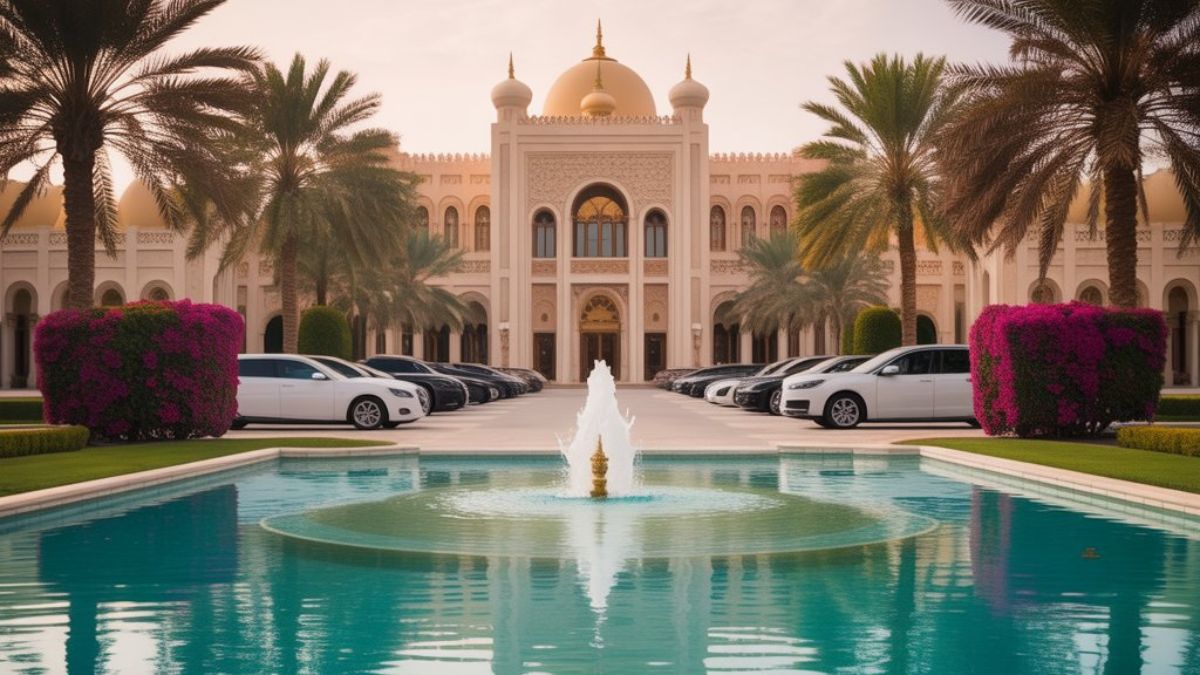
The Palace of His Highness Sheikh Ahmed is a blend of conventional Qatari Architecture and contemporary engineering. Its splendor is reflected in the complex carvings, tall domes, and large courtyards, and can provide its visitors with an idea of the architecture history in Qatar. The design is the stepping stone of the country through which simple moments turned into a modernized country with enormous halls, large corridors adorned with Islamic arts, and peaceful gardens to offer tranquility amidst the bustle.
Architectural Influences
The style of the palace is a blend of Islamic art, Arabian, and contemporary luxury. Geometric designs, large arches, and fine calligraphy prevail, as a way of emphasizing the value of the Islamic culture. The limestone and marble are locally sourced, which demonstrates the environmental affiliation of Qatar, whereas high-end facilities do not turn out to be conflicting with traditional designs.
Construction Timeline
Until recently, inexact dates of construction are not released into the limelight, but the scale provides some indication of the late-20th-century wealth in Qatar. Large companies must have employed the best technology to make the vision of the Emir materialize.
Symbolic and Cultural Value of the Palace
The Palace as a National Icon
The Palace of Sheikh Ahmed is not merely the royal residence, but it is the national symbol of the sovereignty and pride. All parts of the country mirror the rich history of Qatar, which is shown in the political core of the country. It is significant during national occasions, state ceremonies, visits by foreign interventionists, as the Emir will meet world leaders and fortify the position of Qatar in the world.
Maintenance of Qatari Traditions
The palace is a place of preservation of cultural traditions. Within its walls, national holidays, religious festivals, and royal roles occur, and they create unity and pride. Its interior features the Qatari tradition with Arabic art, saturated colors, and historic patterns that allow the visitors to simultaneously feel the past and the present.
Palace as a Diplomatic Location
The palace is an international diplomatic center. Presidents and political leaders meet on high-level negotiations, strategy talks, and marketing of Qatari interests in foreign countries.
The Palace of the Modern World
The Modern Use of the Palace
The Palace of Sheikh Ahmed today is still a royal place and even a seat of government. Here, key decisions on domestic policy as well as international relations are made. However, in spite of the fast modernization, the palace connects the past and the present and it shows that Qatar still holds on to its cultural identity as it evolves in the global arena.
Hosting Global Leaders
It has been known that the palace is the venue of world leaders which strengthens diplomatic relations with powerful nations. Every state dinner to discussions about local and international security as well as the world economy, the palace is where Qatar can make its influence felt outside of its borders.
The Palace Security and Privacy
Security Measures
Since the Emir is a big man, a high level of security guards the royal family and foreign dignitaries. The security in the system involves high-tech surveillance, guarding, and limited access to important zones. Stringent measures ensure that the palace is an exclusive and secure zone, and processes are not interfered with.
Maintaining Privacy
The design divides personal and official areas, which enables the meetings and functions to continue uninterrupted. Such a balance between personal security and the function of public diplomacy allows maintaining privacy and stipulates governmental work.
The Future of the Palace and Its Legacy
The Palace as a Heritage to Future Generations
The Palace of Sheikh Ahmed is not just a current monument but it is lived. It is maintained to retain its architectural integrity and other efforts continue to enable its glory to be felt by future generations. Modernization of facilities through renovation does not affect the cultural value as Qatar maintains a balanced approach in terms of development.
The Superleader in Future Leadership
The palace will continue to be one of the pillars of leadership as Qatar progresses. It is also advised to increase in terms of its cultural, political, and diplomatic influence as the country enhances its influence on the region and the world.
Conclusion
The Palace of His Highness Sheikh Ahmed is not just a royal palace but it is also a representation of the Qatari heritage, identity, and political strength. Being a living historical object, it creates the future of the nation and it also pays tribute to the past. It is the core of the administration in Qatar and a symbol of unity to the people of Qatar.
The palace will remain at the heart of Qatar now and in the years to come whether as an international diplomatic hub, royal residence, or protector of the national tradition.
FAQ’s
Meaning of the The Palace of his Highness Sheikh Ahmed the Emir of Qatar?
It represents the political strength, cultural heritage, and national identity of Qatar that demonstrates the leadership of the Emir.
The location of the Palace of Sheikh Ahmed?
It is based in the capital of Qatar – Doha.
What is the architecture of the palace?
The palace incorporates a mixture of old Islamic architecture, Qatari, and contemporary luxury.
Are there international events hosted in the palace?
No, it is one of the main places of dignitaries and leaders all over the world.
How is the palace used today?
It is the home of the Emir and the main governmental and political center.
Who designed the palace?
An alliance of Qatari architects and foreign companies oriented towards the cultural and modern aspect.
What has been happening to the palace?
By preserving historic buildings and modernizing them as they become useful.
What is the role of the palace in Qatari politics?
It plays host to domestic governance and top-level diplomatic gatherings.
We want to know whether the palace is open to the people?
As a rule, it is not open; the activities of states and international visits are hosted.
The question that arises is what will happen to the palace?
It will still remain a reminder of Qatar leadership and heritage that will remain important in future governance.





No Comment! Be the first one.