








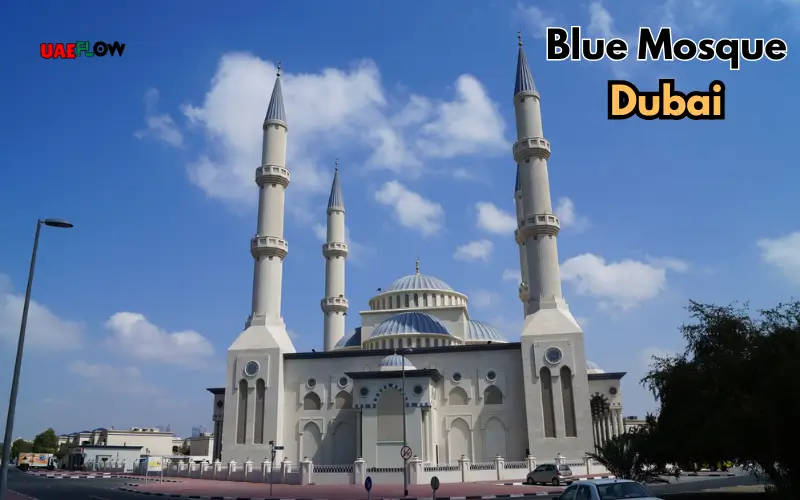
Dubai is a city that seamlessly combines creativity, elegant architecture, and innovation, while still holding deep respect for tradition and history. Among its many iconic landmarks, Dubai’s Blue Mosque—officially known as the Al Farooq Omar Bin Al Khattab Mosque—stands out as a powerful emblem of religious devotion, cultural richness, and architectural splendor. With its striking blue domes, elegant minarets, and beautifully detailed interiors, the mosque is far more than a place of prayer. Elements such as the carefully crafted mosque carpet in UAE, along with its intricate design and craftsmanship, reflect the region’s artistic heritage. Together, these features make the mosque an important center for community engagement, education, and cultural tourism.
Table Of Content
- Location and Accessibility
- Exact Location
- Transportation Options
- Best Times to Visit
- History and Significance of Blue Mosque Dubai
- Origins of the Mosque
- Historical Influence
- Architecture and Design
- The Blue Domes
- Minarets
- Prayer Hall
- Courtyard
- Interior Features
- Chandeliers
- Calligraphy
- Carpets
- Religious Practices and Services
- Daily Prayers
- Special Religious Events
- Educational Programs
- Visiting the Blue Mosque
- Visiting Hours
- Dress Code
- Guided Tours
- Photography
- The Mosque’s Role in the Community
- Religious Services
- Educational Programs
- Community Support
- Comparative Study with other Mosques
- Sheikh Zayed Grand Mosque
- Jumeirah Mosque
- Nearby Attractions
- Visitor Tips
- Suggested Itineraries
- Importance of the Blue Mosque in Dubai
- Conclusion
- FAQs
- What are the Blue Mosque situated in Dubai?
- What are the hours of operation for visiting?
- Is photography permitted within the premises?
- Are there any entry fees?
- Do non-Muslims have the right to be allowed to visit this Blue Mosque?
- What dress code is there for guests?
- Do guided tours exist?
- Does the mosque have wheelchair accessibility?
- Do visitors have the right to pray with them?
- What are the nearby places I can be able to visit?
If you’re a fervent devotee, an avid tourist, or a fan of architecture, going to this Blue Mosque offers an experience that blends beauty, culture, as well and spirituality.
Location and Accessibility
Exact Location
Blue Mosque is situated in one of the most prominent areas in Dubai, frequently referred to as Jumeirah. This neighborhood is known for its thriving residential neighborhoods and proximity to the Dubai coast, and its ease of access to the city’s most important attractions.
Nearby places to visit include:
- Jumeirah Beach: Great to enjoy a beautiful walk prior to or after going to the mosque.
- Dubai Marina: A lively restaurant and entertainment destination.
- Burj Khalifa: About 30 to 45 minutes driving distance from the mosque.
- Other Mosques: Like the Jumeirah Mosque, which provides opportunities to explore the culture.
Transportation Options
Private vehicles and parking are plentiful close to the mosque, making it ideal for visitors or locals traveling with their cars.
Taxis and ride-hailing services: Companies such as Uber and Careem are available throughout Dubai and are able to drop people directly at the entry point of mosques.
Public Transportation Accessibility to the mosque through the Dubai Metro and the local bus network; however, taxis are highly recommended to save time.
Best Times to Visit
If you want to have a peaceful and relaxing excursion:
- The weekdays are generally less crowded than the weekends.
- Late Morning or Sunset is Perfect for photographing as well as experiencing the peaceful mosque ambience.
- Special Timings: In Ramadan and Eid, Special prayers as well as Iftar special events provide unique occasions, even though the number of people attending is more crowded.
History and Significance of Blue Mosque Dubai
Origins of the Mosque
The Al Farooq Omar Bin Al Khattab Mosque was founded in the year 2011 to create a contemporary Islamic architecture landmark situated in Dubai. It is named after Omar Bin Al Khattab, the caliph who was second in Islam and a close associate of the Prophet Muhammad and his companions. The mosque holds a historical as well as spiritual importance. Omar Bin Al Khattab was famous for his shrewdness, leadership, and commitment to justice. The decision to name the mosque after him is a sign of Dubai’s dedication to the preservation of Islamic traditions.
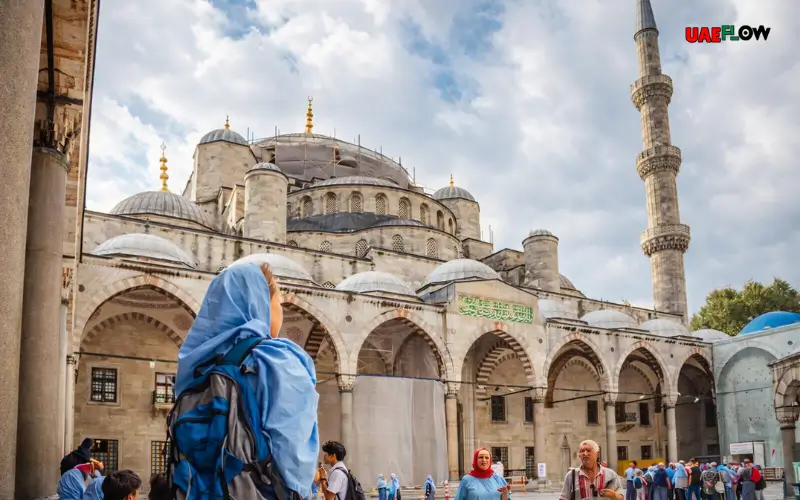
The design of the mosque was inspired by two notable models of Islamic architectural style, which include the Blue Mosque located in Istanbul, Turkey, and the Sheikh Zayed Grand Mosque in Abu Dhabi. Through the combination of Ottoman-style domes and the splendor of the Modern mosques of the United Arab Emirates, the Blue Mosque achieves a unique design that attracts visitors from all over the world.
Historical Influence
In addition to its stunning architecture, the mosque is an entry point to Islamic tradition and culture. The mosque not only celebrates the memory of Omar Bin Al Khattab but also provides an opportunity for people to be a part of their religion. Its location reflects Dubai’s philosophy of mixing traditions with contemporary, resulting in an atmosphere that is religious as well as educational and stunning visually.

Architecture and Design
The Blue Domes
One of the most striking features of the mosque is the blue domes that span 21 feet and give it the name “The Blue Mosque. The domes have been carefully created to reflect the peaceful and divine essence of Islamic worship. The blue color, commonly associated with peace and tranquility, adds to the mosque’s overall attraction and helps create a peaceful environment for the visitors. Every dome is meticulously designed with traditional Islamic patterns and modern design components.
The layout of the domes additionally lets natural light flow into the mosque, shining on the inner prayer areas as well as creating a spiritual atmosphere. The architectural design was inspired by the Blue Mosque in Istanbul, but modified to suit Dubai’s urban and climatic surroundings.

Minarets
The tallest feature of the mosque is its exquisite minarets, which are used for both symbolic and functional purposes. Traditionally, minarets were utilized for calling the faithful to pray, and although the modern world has eliminated the requirement for human voice calls, the minarets are still an essential part of Islamic architectural design. They display elaborate Arabic patterns, geometric designs, and calligraphy, all of which complement the overall splendor of the mosque.
The minarets are also what allow the mosque to be easily identified from afar, serving as a source of information for residents and visitors. They fuse the classic Islamic design with the modern Dubai cityscape, demonstrating a harmonious blend of traditional and modern-day style.
Prayer Hall
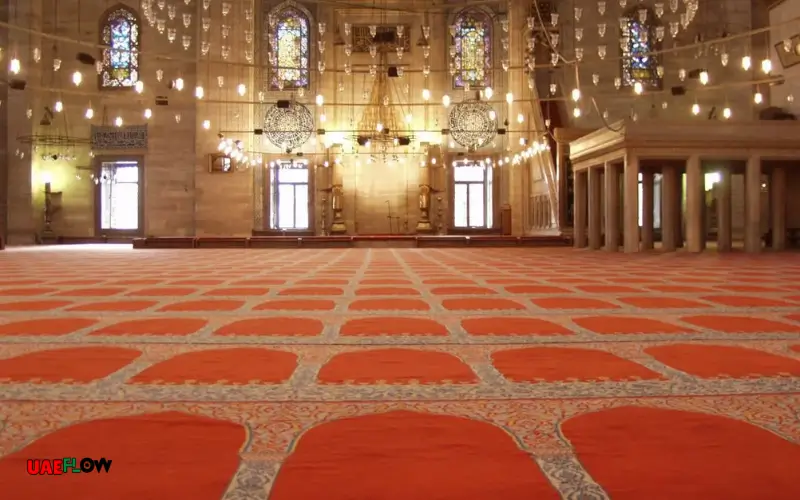
The prayer hall is at the central point of the mosque. It’s an enormous and open area designed to be able to accommodate hundreds of worshippers at one time. The space is planned using climate control as a primary consideration to ensure a pleasant space even in the hot temperatures. Inside, the space is decorated with calligraphy, intricate carvings, and delicate lighting that creates a peaceful setting for prayer.
The design of the hall guarantees that every person has a good vision of the mihrab, through the special niche that indicates the direction to Mecca. The thoughtful layout serves the religious needs of the community as well as the visual appeal of those who visit.
Courtyard
The main building is located adjacent to it. There is a large courtyard with multiple uses. It’s used to pray outdoors during hot temperatures and also provides a tranquil area for contemplation and reflection. The visitors can wander through the courtyard, take in the mosque’s architectural design from different perspectives, and take in the gardens surrounding and the water features.
It also serves as a space of transition that connects the outside urban setting and the holy interior. It also gives the visitors an opportunity to stop to appreciate the mosque’s size and splendor.
Interior Features
Chandeliers
In the mosque, huge chandeliers hang over the ceiling, providing the appearance of grandeur and illumination. They are made to match the style of the mosque and reflect light throughout the space, creating a spiritual ambience. These intricate patterns of these chandeliers are reminiscent of the designs that are found in the mosque, bringing together the decor of the interior.
Calligraphy
The interior walls of the Blue Mosque are decorated with exquisite Arabic calligraphy. It is adorned with passages taken from the Quran. The inscriptions aren’t just ornamental, but they also communicate moral and spiritual messages. People can marvel at the artistic talent and gain a deeper understanding of Islamic faith and tradition.
Carpets
The prayer hall is covered in luxury carpets that are soft and comfortable, specifically designed to provide comfort during prayer. The designs of the carpets complement the overall style and add an additional layer of elegance to the space. They also serve an important purpose, as they ensure that the worshipers can relax while they perform their prayers.
Religious Practices and Services
Daily Prayers
The mosque is home to five prayer services every day. They are popular with guests and residents.
- Fajr: Very early in the morning.
- Dhuhr: Noon.
- Asr: Afternoon.
- Maghrib: Sunset.
- Isha: Night.
The Friday Jumu’ah prayers are particularly significant and often attract larger crowds from all over Dubai.
Special Religious Events
- Ramadan Events: Iftar programs, Taraweeh prayers, and gatherings at night.
- Eid celebrations include prayers for the community and celebrations.
- Charitable Drives are organized to aid the most vulnerable families in our community and to promote social welfare.
Educational Programs
- Quranic classes are available for kids and adults.
- Cultural Awareness Programs: For visitors who are expatriates or students, to gain knowledge about Islamic customs and practices.
- Workshops and lectures: covering issues like spirituality, ethics, and the role of community involvement.
Visiting the Blue Mosque
Visiting Hours
The mosque is usually open to the public throughout the day, but it is closed during times of prayer to ensure the privacy of worshipers. Visitors are encouraged to verify the calendar in advance so that they can make plans for their trip. Mornings that are early and afternoons that are late make the perfect time to experience the mosque without visitors and more natural light.
Dress Code
People who attend the mosque should wear modest attire. The women are required to cover their hair and put on loose clothes for men, large shirts, and pants that cover their shoulders. There are robes, robes, as well as covers for guests who are not prepared, making sure that everyone is able to participate respectfully.
Guided Tours
The mosque provides guided tours with knowledgeable specialists who can explain its structure, history, and significance for the religion. They provide an in-depth knowledge of the culture as well as the spiritual background of the mosque. This makes it more enjoyable. The booking of a guided tour well ahead of time is suggested for groups of larger size or in peak tourist times.
Photography
Photographers are allowed inside the mosque. However, visitors need permission to do so and must respect those who worship. The beautiful blue domes, chandeliers, and elaborate interiors offer great opportunities to take stunning photographs. Sunset is an especially gorgeous time to capture the mosque because sunlight intensifies the hues of blue in the domes.
The Mosque’s Role in the Community
Religious Services
The Blue Mosque is a lively place for worship and religious events. It is home to daily prayers, Friday prayers, and other special events in the course of Islamic festivals such as Ramadan or Eid. The mosque is a vital element of the religious life of the people, offering an opportunity for prayers and reflection.
Educational Programs
Education is one of the major focuses for the Mosque. The mosque offers Quranic classes, Arabic language classes, and various Islamic educational activities for children as well as adults. The programs help to increase understanding of the religion and strengthen connections between the people of the community and Islamic principles.
Community Support
In addition to its religious responsibilities In addition to its religious responsibilities, the mosque is active in charitable and community assistance initiatives. The mosque organizes activities to assist families in need, orphans, and those who are in dire need. In combining religious worship with social obligation, the mosque is an important hub for charitable and spiritual initiatives.
Comparative Study with other Mosques
Sheikh Zayed Grand Mosque
Although there is no doubt that the Sheikh Zayed Mosque located in Abu Dhabi is larger and internationally renowned, it is the Blue Mosque in Dubai has a unique appeal. The unique blue domes, smaller scale, and a combination of Ottoman and Emirati styles differ from the larger mosques. They offer an intimate and tranquil feel.
Jumeirah Mosque
The Jumeirah Mosque is famous for welcoming visitors from outside the Muslim community and providing information about culture. The Blue Mosque also allows visitors but is distinguished by the famous blue domes, as well as aesthetic specifics. Both mosques function as spiritual and educational centers. However Blue Mosque is particularly memorable because of its impact on the visual.
Nearby Attractions
The visitors to the Blue Mosque can easily combine their excursion with nearby places:
- Jumeirah Beach – ideal for ocean views, peace, and relaxation.
- Dubai Marina – for dining as well as leisure, and photos of the cityscape.
- Cultural centers and Heritage sites – for exploring the Emirati past.
Making a full or half-day plan that includes The Blue Mosque enhances the cultural and spiritual experience in Dubai.
Visitor Tips
- Accessibility: The mosque is accessible for wheelchairs with ramps, and there is assistance.
- The best time to visit is Morning or later in the afternoon to have fewer people and more light.
- Respectful Conduct: Shut off your cell phones, stay clear of walking into prayer areas during worship service, and observe the rules of the mosque.
- Parking: Plenty of parking is available close to visitors arriving in a vehicle.
Suggested Itineraries
Half-Day Plan:
- Visit the Blue Mosque in Dubai.
- Take a stroll on Jumeirah Beach.
- Visit nearby cafés for a cup of coffee or a snack.
Full-Day Plan:
- The mosque is open for prayers in the morning.
- Visit Dubai Marina or Burj Khalifa.
- Evening photography at the mosque or on the beach.
A cultural learning experience through a guided tour.
Importance of the Blue Mosque in Dubai
The Blue Mosque is more than an attractive structure; it symbolizes Dubai’s Islamic traditions, culture, and modernity. It offers a venue to worship, learn, as well as community service, and also attracts tourists looking to better understand Islamic architectural styles and the traditions. In bridging the spiritual and tourist attraction, the mosque helps Dubai’s standing as a place that is committed to its heritage but also embraces the latest developments.
Conclusion
It is the Blue Mosque Dubai (Al Farooq Omar Bin Al Khattab Mosque) is a gem in Dubai, which combines religious, cultural as well and architectural excellence. The blue domes, beautiful interiors, and its active involvement in the community are a must-see destination for both tourists and locals. When it comes to attending prayer, studying Islamic art, or even capturing its splendor in pictures, tourists will find the mosque inviting and inspiring.
Its Blue Mosque stands as a testimony to the city’s dedication to safeguarding Islamic traditions while incorporating contemporary design and practices that are geared towards community. It’s a spot where innovation and tradition coexist and offer a distinctive experience that speaks to the soul of Dubai.
FAQs
What are the Blue Mosque situated in Dubai?
It’s situated at Al Safa, Dubai, and it is accessible by taxi or vehicle.
What are the hours of operation for visiting?
The mosque is usually open all days of the week; however, it closes at times of prayer.
Is photography permitted within the premises?
Yes, with the permission of the photographer. Be respectful of worshipers when taking pictures.
Are there any entry fees?
It isn’t, however, the visit to the mosque is completely free to all who visit.
Do non-Muslims have the right to be allowed to visit this Blue Mosque?
No, Muslims are not allowed during prayer time outside.
What dress code is there for guests?
The most modest clothing is recommended, and women must cover their hair.
Do guided tours exist?
Yes, tours are led by experienced guides who explain how they came to be and the architecture.
Does the mosque have wheelchair accessibility?
Yes, ramps as well as assistance can be arranged for those who will.
Do visitors have the right to pray with them?
Visitors are welcome to join prayers in accordance with the rules of the mosque.
What are the nearby places I can be able to visit?
Jumeirah Beach, Dubai Marina, as well as local heritage sites are close by.





No Comment! Be the first one.